
Tax & Remittance for Pakistani Buyers: SBP, FBR and Legal Structuring to Buy Property in the UAE

Introduction
The United Arab Emirates stands out as a premier real estate destination. For Pakistani investors, it offers more than luxury living. It represents a strategic hedge against domestic economic volatility. The Pakistani Rupee fluctuates regularly. The local real estate market faces ongoing liquidity challenges. This has driven a surge in cross-border investment. Dubai leads this trend. The city offers high rental yields, investor-friendly Golden Visa programs, and world-class infrastructure. But ownership comes with regulatory challenges. These requirements often confuse investors who are new to international property markets. The real challenge is not selecting property.
It is navigating compliance frameworks that involve the State Bank of Pakistan (SBP), the Federal Board of Revenue (FBR), and UAE federal laws. Understanding Tax & Remittance for Pakistani Buyers in UAE makes the difference between a high-performing asset and a legal liability. This guide serves as your technical manual. We will break down the legal structuring you need. You will learn what documentation satisfies both Pakistani and UAE regulators. We will show you how to avoid penalties for non-declaration. By focusing on the SBP FE Manual Chapter 20 and Section 116A of the Foreign Exchange & Repatriation Act, we provide a credible roadmap for compliant international investment.
Can Pakistanis Legally Buy Property in UAE?
Is it Legal to Buy Freehold Property in Dubai?
One question comes up constantly: Can you actually own the land beneath your villa or apartment? Under UAE law, the answer is yes. The 2002 decree on property ownership grants non-GCC nationals the right to buy freehold property in Dubai within designated areas. Freehold ownership means you have absolute ownership. You own both the property and the land it stands on for an indefinite period. This differs from leasehold arrangements. In a leasehold, ownership reverts to the landlord after 99 years.
The UAE ownership laws for foreigners are transparent and investor-centric. When you complete a transaction, the Dubai Land Department (DLD) issues a Title Deed. This document is legally binding and recognized globally. For Pakistani nationals, this provides security that few emerging markets can match. The UAE government has streamlined these processes over time. The legal transition of title is now seamless. But there is one condition: Your funds must comply with your home country regulations.
What Are the SBP Regulations for Foreign Property Investment?
The UAE welcomes foreign buyers. But the Pakistani side is heavily regulated. The State Bank of Pakistan (SBP) governs all foreign exchange movements under the SBP FE Manual Chapter 20. This manual details the specific conditions under which a resident can hold assets abroad. The SBP has historically taken a cautious stance on capital flight. This approach protects foreign exchange reserves. The core rule for SBP remittance rules for UAE property is clear: Real estate investment requires specific approval or must flow through sanctioned channels. Resident Pakistanis cannot simply send large sums abroad to buy real estate. You must jump through regulatory hoops. The SBP views such outflows through the lens of national economic stability. They often require proof that your funds are “clean.” You must show that you have the tax standing to justify such an expenditure.

What Is Equity Investment Abroad?
In SBP technical terms, buying a house in the UAE counts as Equity Investment Abroad. You need to understand this distinction. Investing in foreign stocks or securities differs from investing in physical real estate. The SBP has recently introduced more liberal policies. These apply mainly to startups and IT companies that want to invest abroad. But physical real estate remains a sensitive category. Equity investment means you are taking an ownership stake in an offshore asset. Unlike portfolio investments, real estate is illiquid. It represents a long-term commitment. This is why the SBP scrutinizes these transactions carefully.
How Does Section 116A Affect You?
Compliance does not end once your money leaves Pakistan. Section 116A of the Foreign Exchange and Repatriation Act mandates something important: All resident taxpayers must declare their foreign assets. If you hold property in Dubai, it must appear in your annual wealth statement filed with the FBR. This is not just paperwork. It is a legal obligation for overseas asset holding. The 2018 and 2019 amnesty schemes highlighted government focus. They targeted undeclared foreign properties. Under current laws, if you are a resident Pakistani with undeclared UAE property, you face severe consequences. The consequences are serious. Your asset can be treated as “concealed income.” This creates a tax liability based on current market value. Add heavy penalties and potential criminal prosecution. The FBR foreign asset declaration is not optional.
What Are the SBP Remittance Rules & Legal Transfer Channels?
How Do You Legally Transfer Money from Pakistan to UAE?
For resident Pakistanis, the journey of PKR to AED legal transfer channels starts at a local commercial bank. There is only one legal way to transfer funds: through authorized banking channels.
Any use of informal systems is strictly illegal. These systems go by names like Hawala or Hundi. Using them carries prosecution risk. Your assets can be frozen. These are not empty threats. To move money legally, you must show that your funds are “tax-paid.” This means the capital used to buy property must have been earned, taxed, and documented in Pakistan. The bank acts as the first line of defense. They conduct rigorous Know Your Customer (KYC) checks. These checks ensure your remittance aligns with your known profile. This documented trail is essential. It leads to the issuance of a foreign remittance certificate Pakistan. This certificate serves as ultimate proof of legality.
What Documents Does the SBP Require?
The sbp documentation remittance checklist is extensive. You need meticulous preparation. An investor must typically provide:
- A valid CNIC or NICOP and a current Passport
- Documented “Source of Funds” such as tax returns, bank statements showing capital accumulation, or a sale deed of local property
- The Sales and Purchase Agreement (SPA) or Memorandum of Understanding (MOU) from the UAE developer or seller
- A formal “Form M,” which is the application for foreign exchange remittance
Without these documents, banks will refuse to process your transaction. The goal is clear: Create a transparent link between your Pakistani bank account and the UAE developer’s escrow account.
How Does the SBP Approval Process Work?
The approval process tests your patience. It starts when you submit a formal application to the Foreign Exchange department of your local bank. The bank performs its internal due diligence. Then they forward your case to the State Bank of Pakistan’s Foreign Exchange Operations Department. The SBP reviews each case individually. They look at your tax history, the total remittance amount, and the property nature. This process can take several weeks. If approved, the SBP issues specific authorization. This allows the bank to convert your PKR and remit AED to the UAE. If rejected, you may be asked for further clarification. Or you may be denied based on the country’s current foreign exchange liquidity conditions.
What Are the Remittance Limits & Restrictions?
A common misconception exists about the “USD 25,000 annual limit.” This limit applies to certain personal remittances like gifts or medical expenses. But it generally does not apply to real estate purchases. SBP remittance rules UAE property treats real estate as a capital account transaction. This requires specific permission rather than falling under general allowances. Trying to “split” a large property payment into smaller chunks of $25,000 is highly discouraged. Anti-money laundering (AML) software often flags this as suspicious activity.
Which Remittance Channels Should You Use?
What Is the Roshan Digital Account Pakistan?
The Roshan Digital Account Pakistan has changed the game for Non-Resident Pakistanis (NRPs). If you live in the UAE or elsewhere, the Roshan Pakistan Digital Account allows seamless capital flow. The primary advantage of the RDA is “full repatriation” of funds. Here is how it works: If an NRP sends money into an RDA to buy property in Pakistan and later sells that property, they can send the money back to the UAE. No specific SBP permission needed. This flexibility makes the RDA attractive. It simplifies the process for Pakistani expats who want to maintain investments in both countries.
How Do Foreign Currency & Retention Accounts Work?
Another legal structure involves Foreign Currency Value Accounts (FCVA). These accounts let you hold foreign currency within the Pakistani banking system. But there is a condition: The funds in these accounts must be “repatriable.” This means the money must have been remitted from abroad in the first place. If a resident Pakistani buys USD from the local open market and deposits it into an FCVA, that money is often “non-repatriable.” It cannot be sent back out for property purchases. Understanding the distinction between repatriable and non-repatriable funds is vital. This knowledge is crucial for anyone structuring a UAE property deal.
Why Is the Foreign Remittance Certificate Important?
The foreign remittance certificate Pakistan, often called the Proceeds Realization Certificate (PRC), is perhaps your most important document. The PRC is a bank-issued document. It proves foreign exchange was received in Pakistan or used for a specific purpose via official channels.
The PRC is essential for two reasons:
Tax Exemption: It allows you to claim that funds are not “new income.” Instead, they represent the movement of already taxed or exempt capital.
Proof of Legality: If the FBR ever audits your wealth, the PRC is your protection. It proves you did not use illegal channels like Hawala to move your money.
A real point of confusion exists here. The PRC must meet very specific conditions to qualify for tax exemptions. Simply having a bank transfer slip is not enough.
What Is the Taxation Framework for Pakistan and UAE?
Is UAE Property Income Taxable in Pakistan?
Tax residency is the pivot point for this question. If you spend more than 182 days in Pakistan in a tax year, you are a “Tax Resident.” In Pakistan, residents are taxed on their “Global Income.” This means rental income from your Dubai property is legally taxable by the FBR. Even though you earn the income in the UAE, you must report it in your Pakistani tax returns. The same applies to capital gains. When you sell the property for more than you bought it, Pakistani tax laws apply to that profit.
How Does the Double Taxation Agreement Help You?
The UAE and Pakistan signed the double taxation agreement uae to prevent unfairness. Without this treaty, you could be taxed twice on the same income. The DTA is a vital shield for investors. Under the DTA, income from immovable property is taxed where the property is located. Since the UAE currently has 0% personal income tax on rentals, the FBR often allows a “tax credit” for any taxes paid in the UAE. But here is the catch: Since UAE tax is zero, you usually end up paying the difference in Pakistan. This is a complex area of law. Professional tax structuring ensures you do not overpay or under-report.

What About Tax on Foreign Remittance Pakistan?
Many investors ask: “Is money I send back to Pakistan tax-free?” Under Section 111(4) of the Income Tax Ordinance, foreign remittance is generally not included in taxable income. But there is a condition: It must be sent through a banking channel, and a foreign remittance certificate Pakistan must be issued. This is the government’s way of encouraging profit repatriation. But this “immunity” is not absolute. If the FBR can prove the remittance is actually “concealed local income” being cycled through a foreign account, they can still tax it.
Why Is FBR Foreign Asset Declaration Critical?
The FBR has become increasingly sophisticated in data-sharing. Through the OECD’s Common Reporting Standard (CRS), Pakistan now receives automated information. This includes bank accounts and assets of its residents in the UAE. This makes the FBR foreign asset declaration more critical than ever. The current sentiment among experts is clear: It is better to declare and pay a small amount of tax than to hide and lose the asset. Declaring your property in the Wealth Statement (Form 116) is the only way to ensure your investment remains legitimate. It protects your financial legacy.
What Is the Step-by-Step Process to Buy Property in UAE from Pakistan?
What Is the End-to-End Flow?
The journey from interest to ownership involves several distinct phases. First, you decide on a property and sign an MOU or SPA. Once the deal is papered, focus shifts to fund arrangement. You must ensure your PKR is in a tax-compliant account. Next comes SBP approval or selection of a legal channel like a Foreign Currency Account. Once the SBP approves, funds are transferred to the UAE. Finally, the Dubai Land Department (DLD) registers the property, and title transfer is completed.
What Documents Do You Need?
Consistency in documentation is key to avoiding delays. You will need:
- A valid Passport and CNIC
- Clear “Proof of Income” (salary slips, business audits, or tax returns)
- The foreign remittance certificate Pakistan for any prior transfers
- Recent bank statements showing the “trail” of the money
- The No Objection Certificate (NOC) from the UAE developer
How Long Does the Process Take?
Investing abroad is not an overnight process. Obtaining SBP remittance approval typically takes 14 to 30 days. The actual purchase process in Dubai can be completed in as little as 7 to 10 days for a “ready” property. This assumes your funds are already in the country. The title transfer itself is a digital process. It usually takes only a few hours at a Trustee Office in Dubai. Total estimated time: 6 to 8 weeks from start to finish.
What Are the Costs, Fees & Financial Planning Considerations?
What Are the Dubai Property Costs?
The sticker price of a property is only part of the equation. The most significant additional cost is the DLD 4% Transfer Fee. This is a one-time fee paid to the Dubai Land Department. It covers registering the change of ownership. In addition, there are registration trustee fees. These typically range from AED 2,000 to AED 4,000. Agency commissions usually add 2%. And you will pay NOC fees to the developer.
Are There Any Exemptions from the 4% Fee?
While the 4% fee is standard, certain DLD 4% Transfer Fee exemption scenarios exist. These are usually limited to “Hiba” (gifting) between first-degree relatives. Examples include parents gifting to children or spouses gifting to each other. In these cases, the fee is reduced to a nominal administrative charge. This is around 0.125%. This can save you tens of thousands of dollars.
What Is FX Risk and How Does It Affect You?
Investing in a foreign currency involves inherent FX risk. The PKR has historically depreciated against the USD. The AED is pegged to the USD, so this matters. For a Pakistani buyer, this means a property that cost 50 million PKR last year might cost 60 million PKR today. This happens even if the AED price remained the same. Timing your transfers is crucial. Understanding the “spread” charged by banks helps minimize these hidden costs.
What Are the Financing Options for Pakistanis?
Can You Get UAE Property Financing from Pakistan?
Can a resident of Pakistan get a mortgage in the UAE? The answer is yes. Many UAE banks offer “Non-Resident Mortgages.” But the eligibility criteria are stricter than for residents. You will typically need to provide a 50% down payment. The bank will perform an international credit check. UAE property financing Pakistan is a viable route. It works for those who have strong documented income but want to maintain liquidity in Pakistan.
Should You Buy with Cash or Get a Mortgage?
Buying with cash is faster. It avoids interest costs, which can be significant. But a mortgage allows you to leverage your capital. In Dubai’s high-yield market, rental income can often cover mortgage payments entirely. This effectively allows the property to pay for itself over time. The approval differences are stark: Cash deals can close in days. Mortgages take weeks of paperwork.
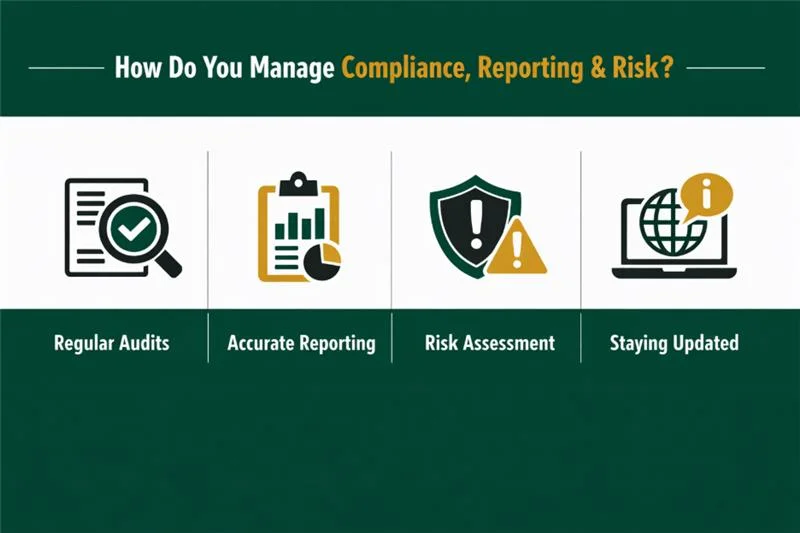
How Do You Manage Compliance, Reporting & Risk?
What Are the FBR Reporting Requirements?
Your annual tax return must include your UAE assets. You do this through the IRIS portal. You must declare the property at its “cost value” in PKR. Use the exchange rate that was prevalent at the time of purchase. If the property is rented, that income must be added to your total income for the year. This reporting is mandatory, not optional.
What Happens if You Don’t Declare?
The risks of non-declaration are escalating. The FBR now has access to international banking data. The “wait and see” approach is dangerous. Penalties include heavy fines and freezing of domestic assets. You may lose the ability to sell the property in the future. This happens because you cannot prove the legal source of your initial investment. Audit risk is high for anyone who shows sudden wealth increases without a corresponding foreign asset declaration.
What Are Common Mistakes to Avoid?
The most common mistake is using informal channels like Hawala. Another is failing to obtain a foreign remittance certificate Pakistan at the time of transfer. Many investors also forget to update their wealth statements. This should happen when property value increases or when they receive rental income. These undocumented funds become “red flags” during an FBR review.
How Can PFOC Properties Help You?
Navigating cross-border investment complexities requires more than just a real estate agent. You need a partner who understands the legal and financial landscape of both Pakistan and the UAE. PFOC Properties is built to provide that holistic support.
End-to-End Investment Support: We do not just find you a property. We find you a compliant property in verified projects that offer the best returns. Browse our portfolio of premium Dubai developments.
Legal & Compliance Guidance: Our team helps you navigate the SBP remittance rules for property. We ensure all your documentation is in order for a seamless bank transfer.
Tax & Structuring Assistance: We work with specialized tax consultants. We help you with your FBR foreign asset declaration. We explain how the double taxation agreement UAE applies to your specific case.
Banking & Remittance Facilitation: From setting up a Roshan Digital Account Pakistan to managing the issuance of your foreign remittance certificate Pakistan, we are with you every step of the way.
Post-Investment Support: Our relationship does not end at the title deed. We assist with rental management, property resale, and eventual repatriation of funds.
We position ourselves as the “Bridge between Pakistani investors and compliant UAE property ownership.” This ensures your international portfolio is as secure as it is profitable. Learn more about why Pakistani investors choose Dubai.
Frequently Asked Questions
How do I declare Dubai property in FBR IRIS?
Log into the FBR IRIS portal and navigate to the “Foreign Assets” section under the Wealth Statement (Form 116). You must provide the complete address of the property, the date of acquisition, and its cost in PKR. Convert using the exchange rate on the date of purchase.
Is rental income from UAE taxable in Pakistan?
Yes, if you are a tax resident of Pakistan, your global income is taxable. But under the double taxation agreement UAE, you can usually claim a tax credit for any taxes paid in the UAE. Since the UAE does not currently levy personal income tax on rentals, you’ll likely pay the applicable slab rate in Pakistan.
Are there legal risks for Pakistani buyers investing in UAE real estate?
The primary legal risk isn’t the property itself. Dubai has a highly regulated and safe market. The risk lies in the “Transfer of Funds.” If you use informal channels like Hawala, you violate the Foreign Exchange Regulation Act. This can lead to criminal charges and freezing of your Pakistani bank accounts.
Do I need SBP permission to buy a house in UAE?
For resident Pakistanis, yes. Sending large sums of foreign exchange out of Pakistan for real estate is considered Equity Investment Abroad. According to the SBP FE Manual Chapter 20, you must apply through an Authorized Dealer (your bank).
What are the tax implications of owning UAE property for Pakistani residents?
Owning property in the UAE creates two main obligations: disclosure and potential income tax. Under Section 116A, you must declare the asset annually. Regarding income, while the UAE is a tax-free haven for individuals, Pakistan taxes its residents on “World Income.”
What are the SBP rules for remitting money to buy property in the UAE?
The SBP remittance rules for property dictate that all funds must move via documented banking channels. You cannot simply carry cash across the border. The bank will require a “Form M” and detailed justification of the source of funds.
What documents are required for SBP approval for UAE property remittance?
To obtain SBP approval, you must provide: 1) A copy of your CNIC and NTN. 2) Your last three years of filed tax returns. 3) A signed Memorandum of Understanding (MOU) or SPA from the UAE. 4) A bank certificate showing the availability of funds in your account. 5) A declaration of any existing foreign assets.
How much tax will I pay in Pakistan on UAE property investment?
There is no “Investment Tax” upfront. But there is “Wealth Tax” in the form of possible deemed income if the asset is not managed correctly. For rental income, the tax follows the standard income tax slabs for individuals. These range from 0% to 35% depending on the amount.
Can Pakistani residents transfer funds to UAE property without penalties?
Yes. But only if they follow the “High Road.” This means getting formal SBP approval. Or using foreign exchange that is already legally held in a Foreign Currency Account. This is subject to SBP limits.
How long does SBP approval take for property remittance to the UAE?
The timeline for SBP remittance rules UAE property approval can vary. Usually, once you submit the full SBP documentation remittance to your bank, the internal bank review takes 5-10 working days. Then the SBP review process adds another 1-3 weeks.
Conclusion
Investing in UAE real estate is one of the best ways for Pakistani citizens to build long-term wealth. It helps you secure your financial future. But the legality and life of that investment depend fully on your commitment to following rules. By following the SBP remittance rules UAE property, you protect yourself. Declare your assets to the FBR under Section 116A. Use legal PKR to AED legal transfer channels. These steps let you build a global legacy with total peace of mind. Do not let regulatory complexity deter you from this opportunity. With the right legal setup and professional guidance, the Dubai market is yours to explore. The path may seem complex. But it is doable. And the rewards are worth the effort. Ready to start your compliant Dubai property investment journey? Contact PFOC Properties today for personalized guidance tailored to Pakistani investors.